Commercial Driveway Maintenance in London

Commercial driveway maintenance in London needs to do more than make an entrance look tidy. It has to support safe movement, present a professional frontage and keep the hardstanding in a condition that suits regular use. Our service focuses on the practical care of driveways, forecourts and adjoining paved areas, with attention to staining, surface build-up and the visible wear that can affect a business setting.
We work on surfaces commonly found at commercial premises, including block paving, concrete, tarmac and paved approaches. That can include cleaning, treatment of stubborn marks, removal of moss and algae build-up, and sensible maintenance that helps a driveway stay presentable between larger refurbishments. For a broader view of the service range, see our services overview and the information on driveway cleaning.
If you are comparing options for an entrance, loading area or customer parking space, it helps to look at the surface type, the amount of traffic and the visible issues before choosing the work. We can discuss the likely approach and help you decide which combination of cleaning and maintenance is most suitable. Ask for a quotation when you are ready to plan the job.
Cleaning, surface care and visible finish
Commercial driveways often gather more than ordinary dirt. Tyre marks, exhaust residue, leaf staining and general grime can all build up, especially where vehicles turn or stop in the same place each day. A maintenance programme for these surfaces usually starts with identifying the heaviest problem areas and matching the method to the material, because different driveway finishes respond differently to cleaning pressure, detergents and dwell time.
For hard surfaces that need more than a light rinse, a careful wash can lift the routine film that makes an entrance look tired. Where the surface allows it, we can work through a thorough cleaning sequence and then deal with edge areas, joints and spots that need closer attention. The aim is a cleaner, more even appearance without treating every driveway as if it were the same. If the job involves adjoining paving, the pages on driveway and patio cleaners and pressure washing are useful starting points.
Surface care is also about reducing the visible effects of weather and regular use. On some drives, that means taking care not to disturb weak pointing or loose aggregate. On others, it means removing layers of organic growth and built-up residue so the surface reads clearly again. A sensible commercial approach does not chase unnecessary force; it balances cleaning power with surface protection and the need to preserve usable access.
Driveway finishes and how they are handled

Different commercial properties need different approaches. Block paving may need more careful joint treatment after cleaning, while concrete can often tolerate a more direct wash if the condition of the surface supports it. Tarmac usually needs attention that respects the bituminous finish, and older paved areas may need a lighter touch where wear has already exposed unevenness. The right method depends on the material, the contamination and the intended appearance after the work is complete.
We also consider how the driveway is used. A service entrance that carries delivery vehicles may need cleaning that reduces slippery build-up without creating disruption, while a customer-facing frontage may need a more detail-led finish around kerbs, edges and turning points. Related pages such as driveway cleaning services and driveway cleaners describe the same core work from slightly different angles, which can help when you are comparing how to frame the task.
There are also practical limits that matter. A heavily deteriorated surface may be suitable for cleaning but still show age, patching or colour variation once the dirt has been removed. That is normal and worth understanding before work begins. A clear inspection helps to separate what cleaning can realistically improve from what might need future repair or replacement.
Keeping entrances safer and more manageable
Commercial maintenance is not only about appearance. Algae, moss and general film can make a driveway less pleasant to walk on and less straightforward to use in wet weather. Regular upkeep helps keep these surfaces more manageable for staff, visitors and delivery drivers, especially where the approach includes pedestrian routes, shallow gradients or turning spaces that see repeated use.
That is one reason business premises often benefit from a planned approach rather than one-off attention only when the surface is already heavily marked. Cleaning intervals can be shaped around usage, shade, overhanging trees and nearby planting. If the driveway sits alongside landscaped areas, our related pages on landscaping and garden maintenance may be relevant for coordinating the surrounding space, although the driveway itself remains the focus here.
Useful points to consider before arranging work include the main surface material, any standing water issues, access for equipment and whether the area needs to stay partly usable during the job. Those details help keep the quotation realistic and make it easier to choose the right sequence of work. A short written description is often enough to start that conversation, especially if you can explain where the main staining or growth has collected.
Additional exterior cleaning around the driveway

In many commercial settings, the driveway is part of a wider hard landscaping layout. Cleaning the main entrance may be more effective when the work extends to adjacent paved walkways, parking bays or frontage areas that share the same weather exposure. That wider view can produce a better overall finish, as it avoids leaving one obviously cleaner area against surrounding dirt or growth.
Where suitable, we can also consider linked exterior cleaning tasks that support the driveway’s appearance. The pages on patio cleaning and patio cleaning services describe related hard-surface work that may be useful if the commercial property has an adjoining seating terrace, staff area or rear paved section. For some premises, that combined approach saves separate scheduling and keeps the property looking consistent from front to back.
It is still important not to overstate what any one visit can achieve. Some surfaces have ingrained staining, differing colours between old and new sections, or repairs that remain visible after cleaning. Proper maintenance improves presentation, but it does not rewrite the history of the surface. That honest expectation makes it easier to judge whether a simple maintenance visit or a more involved treatment is the better fit.
Choosing the right maintenance plan
A good maintenance plan starts with the actual condition of the driveway, not with a generic promise. A relatively clean surface may only need a refresh, while a neglected forecourt may need more extensive attention to bring it back to a sensible standard. In between those extremes are surfaces that need selective treatment, where the main work is aimed at the worst affected sections rather than every square metre.
Some commercial sites benefit from more regular light cleaning, particularly where appearance is important and traffic is constant. Others prefer occasional more intensive work, especially if the driveway is set back from public view or exposed to seasonal build-up from trees and weather. If you want to understand how the work is planned and costed, the page on pricing and quotes is a helpful companion, and it explains the sort of factors that can influence a quotation without locking you into a fixed package.
Before requesting a price, it helps to know whether the driveway has drainage features, painted markings, edging details or areas that should be left alone. These details are not complications; they are the normal information needed to avoid guesswork. Keep the description simple and focused on what the surface is, how it is used and what looks most in need of attention. Clear information produces a clearer plan.
About London

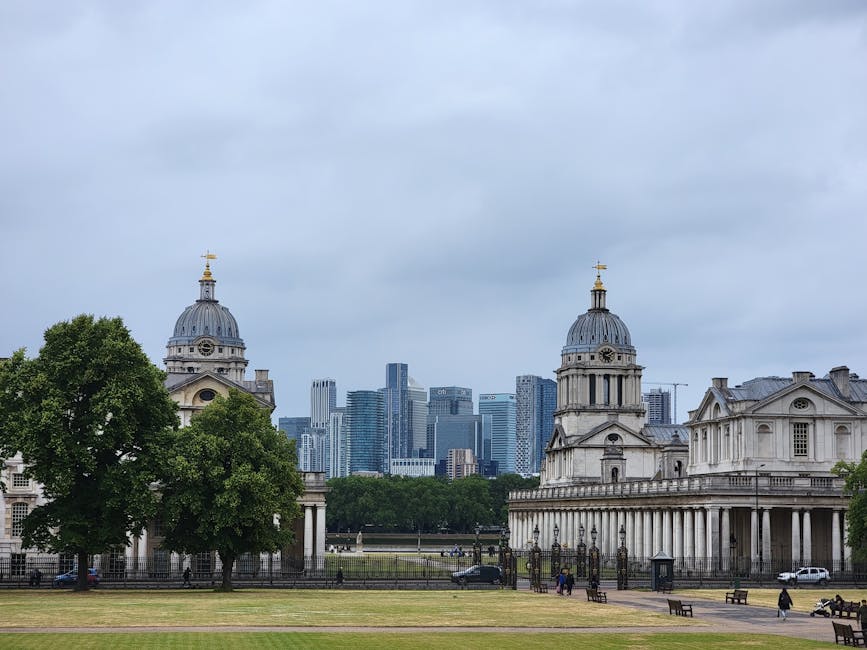
London is a city shaped by layers of growth, movement and reinvention, with a geography that stretches along the River Thames and outward into a series of distinct districts, villages, estates and business centres. Its historic core contains Roman and medieval traces, yet much of the present city reflects later development from the Georgian, Victorian and twentieth-century periods. Landmarks such as the Tower of London, Westminster Abbey, St Paul’s Cathedral and the Palace of Westminster sit alongside newer clusters of architecture in places like the City and Canary Wharf, showing how older civic power and modern finance coexist in the same urban landscape. The Thames remains a defining feature, crossed by a long sequence of bridges and bordered by embankments, parks and riverside walkways that shape the city’s form as much as its roads do. Green spaces are woven through that density, from Hyde Park and Regent’s Park to the wider commons and squares that give many neighbourhoods their character. London’s transport network, based on rail, Underground lines, buses and river crossings, has long influenced how the city expands and how its communities connect. Cultural life is equally varied, with theatres, museums, galleries, markets, libraries and music venues spread across the centre and the outer boroughs. Borough identity matters here: Westminster, Camden, Southwark, Hackney, Lambeth and many others each carry their own histories, local landmarks and architectural textures, so London is best understood not as one uniform place but as a broad collection of places sharing a capital city framework. That mixture of density, heritage and continual change gives the city its recognisable rhythm, where old streets, civic institutions, housing estates and contemporary commercial buildings sit close together and contribute to a constantly evolving urban character.
Access, scheduling and the practical side of the job
When a commercial driveway sits behind gates, beside parked vehicles or next to a busy frontage, planning matters as much as the cleaning itself. Good access makes the work smoother, while poor access can affect the order in which areas are cleaned and whether certain equipment is suitable. If the site has restricted entry, it is helpful to explain that early so the work can be arranged with the right sequence in mind.
We also look at the timing of the visit. Some businesses prefer work outside opening hours, while others only need a section of the driveway managed at a time so access remains available. If you are contacting us for the first time, a brief note about the surface size, the access route and the main concerns is usually enough to start a conversation. The service page for contact us can be used when you are ready to make that next step, and the about us page gives a broader sense of the business context.
The most useful quotations are based on straightforward information. A few photos, a short description of the surface and a note of any awkward areas can help, but there is no need to overcomplicate it. What matters is identifying the main work clearly enough that the response is relevant. If the driveway includes a mix of materials or more than one access point, mention that in plain terms rather than trying to describe the problem in technical language.
Combined exterior upkeep for business premises

Some customers prefer to coordinate driveway maintenance with other outdoor tasks so the whole exterior feels considered rather than piecemeal. That may involve nearby paving, perimeter edges, garden-facing hardstanding or small areas of planting that influence how the approach reads from the street. The pages on services overview and garden services can help if you are planning a wider programme of exterior care alongside the driveway itself.
Where vegetation is contributing to the condition of the surface, related work such as leaf clearance, edging or hedge trimming may be relevant before or after the driveway clean. That does not mean every site needs a full landscape package; it simply means the driveway sometimes sits within a wider setting that benefits from a coordinated approach. The aim is to avoid treating one isolated strip while the surrounding area still makes the frontage look unfinished.
Request a quotation today. If you want a commercial driveway maintained properly, we can talk through the surface, the visible issues and the scope that makes sense for your property. There is no need to wait until the area is heavily marked; a timely enquiry is often the easiest way to keep the job straightforward and the result presentable.
How quotations are shaped for driveway work
Quotation requests for commercial driveway maintenance are usually shaped by a handful of practical factors. Surface size matters, but so do the material type, the level of staining, the presence of moss or algae, and whether the driveway includes several sections with different conditions. A simple space may be quicker to plan than a complicated frontage, but the cleaner-looking site is not always the easier one if access is restricted or edges need careful handling.
It also helps to know whether the work is purely cosmetic or whether there are areas of functional concern. For example, a drive that collects dirt around a turning point may need more thorough treatment there than elsewhere, while a cleaner access lane might only need general maintenance. Where the exterior includes trees, planters or drainage features, they can all influence how the work is sequenced and what finish is realistic. If you are also considering hard-surface washing in other parts of the property, the page on jet washing may be relevant.
For most enquiries, the useful approach is simple: describe the area, identify the main concerns and mention any limitations on access or timing. That gives enough context for a meaningful response without turning the enquiry into a long technical brief. The result should be a clear outline of what the maintenance is meant to achieve and how it fits the site.
Why a careful maintenance approach matters
A commercial driveway is one of the first surfaces people notice, but it is also one of the most heavily used. That combination means cleaning and upkeep need to be practical, not decorative for its own sake. A careful approach helps the surface stay serviceable, keeps the frontage looking ordered and reduces the build-up that can make later work more difficult than it needs to be.
Where surfaces are already weathered, the point of maintenance is often to improve what can reasonably be improved and make future upkeep simpler. It is not about promising a perfect transformation in every case. Some marks can be lightened, some growth can be removed, and some long-standing features of age may remain visible. That honest boundary is part of a trustworthy service, because it allows customers to plan around the actual condition of the surface rather than a polished assumption.
If you are weighing up whether to arrange work now or later, consider how the driveway is currently affecting the presentation of the property and the ease of use of the entrance. When the answer is clearly visible, the next step is usually straightforward: ask for a quotation and decide on the most sensible scope for the site.