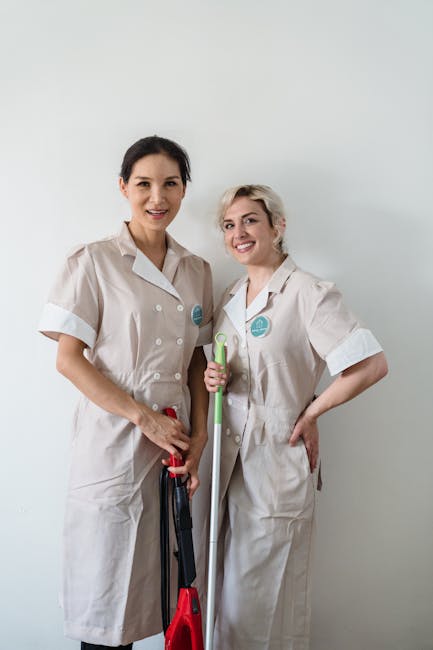
Fully insured trained cleaners in Greenwich you can trust
If you are looking for fully insured trained cleaners in Greenwich you can trust, you are probably after more than a tidy finish. You want people who turn up when they say they will, treat your home or business with care, and know how to work safely without creating more hassle than they solve. Fair enough. In a busy place like Greenwich, that combination of reliability, training, and proper insurance matters a lot more than glossy promises.
This guide breaks down what "fully insured" and "trained" really mean in practice, why it matters, how to judge a cleaner properly, and what to expect before, during, and after a visit. You will also find a checklist, a comparison table, and a few plain-English tips that can save time, money, and a bit of stress too.
Quick takeaway: the best cleaning service is not just neat at the end of the job; it is safe, accountable, consistent, and clear about what is included.
Table of Contents
- Why Fully insured trained cleaners in Greenwich you can trust Matters
- How Fully insured trained cleaners in Greenwich you can trust Works
- Key Benefits and Practical Advantages
- Who This Is For and When It Makes Sense
- Step-by-Step Guidance
- Expert Tips for Better Results
- Common Mistakes to Avoid
- Tools, Resources and Recommendations
- Law, Compliance, Standards, or Best Practice
- Options, Methods, or Comparison Table
- Case Study or Real-World Example
- Practical Checklist
- Conclusion
- Frequently Asked Questions
Why Fully insured trained cleaners in Greenwich you can trust Matters
Cleaning sounds simple until something goes wrong. A mop bucket gets knocked over near wooden flooring, a shelf is damaged while dusting, a member of the team uses the wrong product on a delicate surface, or a cleaner arrives without enough training to work around pets, children, or fragile belongings. Suddenly the lowest quote does not look like much of a bargain.
That is why insurance and training are not box-ticking extras. They are core trust signals. Insurance helps protect you and the cleaner if damage or an accident occurs. Training helps reduce the chance of those problems happening in the first place. Put together, they show a level of professionalism that matters in homes, rental properties, offices, and shared buildings across Greenwich.
Greenwich has a real mix of property types: period homes, flats, busy family households, offices, and rental lets that need regular turnover cleaning. Each type brings different risks. A cleaner who understands those differences is usually better at choosing products, using the right method, and working around the day-to-day rhythm of the space. That sounds obvious, but honestly, it is where many problems begin.
Trust is not built by a nice website alone. It comes from consistency: clear communication, proper paperwork, respectful behaviour, and a visible process. If a company talks openly about insurance and training, that is a good sign. If they dodge basic questions, you probably have your answer.
How Fully insured trained cleaners in Greenwich you can trust Works
At a practical level, a good cleaning service follows a simple chain: assess the job, confirm what is needed, allocate a trained cleaner or team, use suitable materials and methods, and leave you with a result that matches the brief. The exact details vary, but the structure should feel organised, not improvised.
Insurance usually covers areas such as public liability, which is designed to help if accidental damage or injury occurs during the work. Training may cover correct product use, safe handling of equipment, time management, basic hygiene standards, and how to work respectfully around people's space. For more complex tasks, it may also involve specialist techniques or risk awareness.
In a decent operation, those two things work together. Training lowers the chance of mistakes. Insurance gives reassurance if a mistake still happens. That balance is the whole point, really.
You should also expect some kind of assessment or booking conversation before the first clean. A serious cleaner will want to know the property type, the size of the job, access arrangements, and any special requirements. If they never ask questions, that can be a red flag. Cleaning is practical work, not magic.
What the service process often looks like
- Initial enquiry and job overview.
- Discussion of rooms, surfaces, priorities, and timing.
- Confirmation of pricing or quote structure.
- Arrival with appropriate equipment and supplies.
- Completion of the agreed clean.
- Quick review, feedback, or follow-up if needed.
That structure may sound basic, but basic done well is what most people actually want. No drama. No surprise charges. No half-finished corners by the skirting board. Just steady, professional work.
Key Benefits and Practical Advantages
There are obvious benefits to hiring properly trained and insured cleaners, and then there are the quieter ones that only become clear after a few visits. The obvious benefit is peace of mind. The quieter benefit is fewer headaches over time.
- Reduced risk: suitable insurance gives added protection if accidental damage or an incident happens.
- Better results: trained cleaners are more likely to use the right method for each surface and task.
- More consistency: a team with process is usually more reliable than one that works on guesswork.
- Time saved: you spend less time correcting problems or re-explaining basic requirements.
- Better communication: professional cleaners tend to be clearer about scope, timing, and expectations.
- Suitable for sensitive spaces: helpful for homes with children, pets, delicate furnishings, or frequent visitors.
There is also a subtle financial benefit. Paying a little more for a proper service can be cheaper than dealing with damage, repeat cleans, or missed appointments. To be fair, that is not always the case, but it often is. The cheapest quote is only cheap if it does the job properly.
For landlords, agents, and business owners, this becomes even more important. A missed clean before a viewing or client visit can quietly affect first impressions. Nobody wants to walk into a room that still smells faintly of last week's bin day. It happens.
Who This Is For and When It Makes Sense
This kind of service is a strong fit for anyone who values reliability and accountability, but it is especially useful in situations where the cost of a mistake is high. If that sounds like your position, you are in the right place.
Homeowners and tenants
Families, busy professionals, and tenants often need cleaners they can trust with keys, alarms, pets, and personal belongings. A trained cleaner is more likely to respect routines and work efficiently without needing constant supervision.
Landlords and letting agents
Rental properties often need quick turnarounds, end-of-tenancy freshness, or regular maintenance between tenants. Insurance matters here because the property itself is the asset. Training matters because tenants notice details, and so do incoming occupants.
Offices and small businesses
Workspaces need dependable service more than dramatic deep-clean promises. A cleaner who is organised and insured can fit into a schedule without disturbing staff or clients. That is a big deal in smaller offices where the front desk, kitchen, and meeting rooms all matter.
Shared buildings and managed properties
Communal areas can be awkward. A cleaner needs to work around residents, follow access instructions, and avoid damaging shared fixtures. The right team understands that shared space is not the same as an empty room.
If you have ever had to follow up twice just to get a simple job done, you already know why trust is not a luxury. It is the service.
Step-by-Step Guidance
If you are choosing a cleaner in Greenwich, here is a sensible way to approach it. Nothing fancy. Just a straightforward process that helps you avoid the usual missteps.
1. Clarify what you actually need
Start with the basics: home or business, one-off or regular, standard clean or deeper work, and any fragile surfaces or access issues. The clearer the brief, the more accurate the quote and the better the result.
2. Ask about insurance and training directly
Do not be shy here. Ask what insurance is in place and what training the team receives. A trustworthy provider will answer without making it awkward. If they dodge the question, move on.
3. Check what is included
Cleaning can mean different things to different people. Does the service include internal windows, ovens, bathrooms, communal areas, or just surfaces and floors? Get clarity before the visit, not after.
4. Confirm access and timing
Many service issues come from small misunderstandings: the key is in the wrong place, parking is awkward, the cleaner arrives during school-run chaos, or the building has a strict entry procedure. Sorting that out in advance saves a lot of back-and-forth.
5. Review the first clean carefully
On the first visit, look at the details. Corners, handles, high-touch points, bathroom edges, and the overall freshness of the space tell you a lot. You do not need to inspect like a detective, but a quick check helps set the standard.
6. Give feedback early
If something was missed, say so politely and clearly. Good cleaners want feedback. It helps them adapt to your property and work style. The first two visits often shape the long-term relationship.
Expert Tips for Better Results
A cleaner can only do so much if the brief is vague or the space is cluttered. These are the small things that make a surprisingly big difference.
- Declutter high-traffic surfaces first. Counters and tables clean better when they are not buried under post, toys, or half a dozen mugs.
- Separate "must do" from "nice to do." A short priority list helps the cleaner focus on what matters most if time is tight.
- Flag sensitive materials early. Natural stone, untreated wood, specialist flooring, and antique finishes need the right products.
- Keep a simple notes system. Even one or two lines about pets, locks, or preferred products can prevent silly mistakes.
- Use regular schedules where possible. Repeated visits often run smoother because the cleaner learns the property and routine.
- Choose practical over flashy. A steady, well-run service usually beats a polished sales pitch with weak delivery. Every time.
One small local reality: Greenwich homes and flats can be a mix of compact spaces and more characterful layouts. Narrow hallways, awkward storage, sash windows, shared entrances. A cleaner who has seen a few of those quirks before is usually better equipped to handle them without fuss.
And yes, good cleaning sometimes feels invisible. That is the point.
Common Mistakes to Avoid
Most cleaning headaches are preventable. They usually come from rushing the booking, assuming too much, or choosing on price alone. A little caution goes a long way.
- Assuming "insured" means everything is covered. Ask what the policy actually protects and what exclusions may apply.
- Not checking training. Training matters most where there are delicate surfaces, shared spaces, or safety considerations.
- Being vague about the job. "Just a clean" is not enough information for a proper quote or plan.
- Choosing only on the cheapest price. The low number can hide weak standards, rushed work, or poor communication.
- Skipping access details. Keys, entry codes, parking, and building rules should be sorted out in advance.
- Expecting deep-clean results from a standard visit. Different levels of service exist for a reason.
Another common one: people forget to mention pets until the cleaner is at the door. Not ideal. Better to mention it upfront so the team can bring the right mindset and, if needed, the right equipment.
Tools, Resources and Recommendations
You do not need specialist cleaning knowledge to make a good choice, but a few simple tools and habits help a lot.
A helpful comparison checklist
- Insurance details confirmed
- Training or experience explained clearly
- Scope of work written down
- Price structure understood
- Access and timing agreed
- Cleaning products suitable for the property
- Feedback process available
When it comes to ongoing home or business care, you may also want a cleaning provider that sits comfortably alongside other property maintenance needs. For example, if you are already arranging outdoor upkeep, it can be useful to browse the wider range of services overview to see how different tasks fit together. For outdoor areas like paving, patios, and driveways, related options such as pressure washing or patio cleaning can help keep the property looking cared for from the front gate to the back garden.
If your property has a garden or outdoor approach that gathers mud, moss, or fallen debris, it can also be sensible to look at garden maintenance. A clean interior always feels better when the outside entrance is not dragging half the street indoors on a rainy morning.
For customers who like to understand how a company handles trust, safety, and service quality, policy pages such as insurance and safety and health and safety policy can be useful reading. It may not be thrilling, granted, but it tells you a lot about how seriously the business takes its responsibilities.
Law, Compliance, Standards, or Best Practice
Cleaning work in the UK sits within a wider set of general duties around safety, care, and fair treatment. You do not need to know every detail, but it helps to understand the basics. A reputable cleaner should work in a way that is safe for customers, staff, property, and the public. That means suitable insurance, sensible procedures, and proper attention to hazards.
For domestic and commercial customers, best practice usually includes:
- using appropriate products for the surface being cleaned,
- keeping access areas safe and tidy during work,
- handling equipment carefully,
- respecting privacy and property,
- dealing openly with issues if something goes wrong.
Businesses in particular should be mindful that cleaning happens around people, equipment, and daily operations. In many cases, the cleaner is working in a live environment, which means housekeeping, timing, and communication matter just as much as the actual scrub and polish.
It is also reasonable to expect a provider to have clear internal policies. A company that publishes practical pages such as a complaints procedure, payment and security, and privacy policy is usually showing a more mature approach. That does not guarantee perfection, of course. Nothing does. But it does show they have thought beyond the immediate clean.
Options, Methods, or Comparison Table
If you are deciding what kind of cleaning support you need, a simple comparison can make the choice clearer. Here is a practical view of the most common options.
| Option | Best for | Strengths | Limitations |
|---|---|---|---|
| Regular domestic cleaning | Homes, flats, busy households | Consistency, routine, lower stress | May not cover heavy build-up or specialist tasks |
| One-off deep cleaning | Move-ins, move-outs, seasonal resets | More thorough, great for neglected areas | Takes longer and usually costs more |
| End-of-tenancy style clean | Rentals and transitions between occupants | Good for presentation and handover | Needs a very clear checklist |
| Office and commercial cleaning | Workspaces, studios, shared premises | Flexible scheduling, professional finish | Access and timing need coordination |
| Specialist exterior cleaning | Patios, driveways, paths, outdoor surfaces | Improves kerb appeal and outdoor upkeep | Weather and surface type affect results |
Which option is right for you? It depends on the space, the level of dirt, and how often the area is used. A family home with two children and a dog, for example, has very different needs from a small office or a vacant flat. Obvious, maybe, but worth saying.
Case Study or Real-World Example
Here is a realistic example based on the kind of situation people in Greenwich often face. A landlord needed a flat cleaned between tenancies after a six-month let. The space was not disastrous, but it had the usual mix of kitchen grease, bathroom scale, dust behind furniture, and scuffs around the entrance. The main concern was speed, because a new tenant was due in shortly.
Instead of booking the first cheap option, the landlord asked three simple questions: whether the cleaners were insured, what training they had, and what exactly was included in the quote. One provider answered clearly, explained the process, and confirmed the higher-risk tasks such as bathroom surfaces and internal fixtures. That gave confidence immediately.
The job itself went smoothly because access was arranged in advance, the priorities were written down, and the cleaner arrived with the right products for the surfaces involved. The flat did not become showroom-perfect by magic. But it was fresh, presentable, and ready on time. That mattered most.
The real lesson? Good outcomes usually come from boring things done properly: clear brief, decent communication, trained people, and insurance in place. Not glamorous. Very effective.
Practical Checklist
Before you book, run through this list. It is quick, and it can save awkwardness later.
- Have I explained the type of property clearly?
- Do I know what the clean includes and excludes?
- Has the provider confirmed insurance in plain language?
- Have they explained any relevant training or experience?
- Are arrival time and access details agreed?
- Do I know what products or equipment will be used?
- Have I flagged pets, allergies, fragile surfaces, or security concerns?
- Do I understand the price structure?
- Is there a simple way to give feedback?
- Does the company present itself professionally across its information and policies?
If you can tick most of those boxes, you are in a much safer position. If several are missing, slow down. A short pause now is better than frustration later.
Conclusion
Choosing fully insured trained cleaners in Greenwich you can trust is really about buying reassurance as much as cleanliness. You want people who respect your property, understand the work, and are prepared for the real-world messiness of everyday life. That means proper insurance, sensible training, clear communication, and a process that feels steady from the first call to the final check.
Greenwich deserves that kind of service, whether you are keeping a family home in order, preparing a rental, or making sure a workplace stays presentable. The right cleaner should make life easier, not create another little project for you to manage. And honestly, that is the standard worth aiming for.
If you are comparing options now, focus on trust signals first, price second. It usually leads to a better result, and fewer regrets.
Get a free quote today and see how much you can save.
Sometimes the best service is the one that quietly removes stress from your week. That is worth a lot.
Frequently Asked Questions
What does fully insured mean for a cleaner?
It usually means the cleaning business has insurance in place to help cover certain accidents, damage, or incidents that may happen while the work is being carried out. Always ask what is included, because policies can differ.
Why should I choose trained cleaners instead of someone with basic experience?
Training improves consistency, product knowledge, safe working habits, and attention to detail. Experience helps too, but training shows a cleaner has been prepared to work properly rather than just improvising.
Are insured cleaners more expensive?
Sometimes they are, but not always by much. The extra cost, if there is one, often reflects a more professional setup. Many people find that the added reassurance is worth it.
How do I know if a cleaning company is trustworthy?
Look for clear answers, written details, sensible policies, and a straightforward quote process. Trustworthy companies do not make you guess what you are paying for or avoid basic questions.
Do cleaners bring their own products and equipment?
Often yes, but not always. You should confirm this before booking. If you prefer certain products for allergies or sensitive surfaces, say so early.
Can I ask for special treatment on delicate surfaces?
Absolutely. In fact, you should. Stone, wood, antique items, and specialist finishes often need different care. A trained cleaner will usually welcome that information.
What is the difference between a standard clean and a deep clean?
A standard clean focuses on routine upkeep such as dusting, wiping, and surface cleaning. A deep clean is more detailed and usually targets built-up dirt, tricky corners, and areas that are not cleaned as often.
Is it safe to leave cleaners alone in my property?
Many people do, especially when the service is insured and well reviewed. Still, it is sensible to choose a provider you feel comfortable with, explain access clearly, and keep valuables secure.
How often should I book a cleaner?
That depends on your household or business. Some people need weekly visits, while others only need occasional support. Busy homes and customer-facing spaces usually benefit from more regular attention.
What should I do if something is damaged during cleaning?
Report it promptly, with a calm and clear explanation. A professional company should have a way to handle issues through its insurance and complaints process. Keep any relevant photos or notes if needed.
Can cleaners help with move-in or move-out jobs in Greenwich?
Yes, and these are common reasons people book professional help. Just be clear about the condition of the property and what needs to be done, because end-of-tenancy style work can vary a lot.
What if I need cleaning for both inside and outside areas?
That can often be arranged through a provider with a wider service range. For example, a combination of indoor cleaning and outdoor care such as patio or driveway cleaning can make the whole property feel much more looked after.