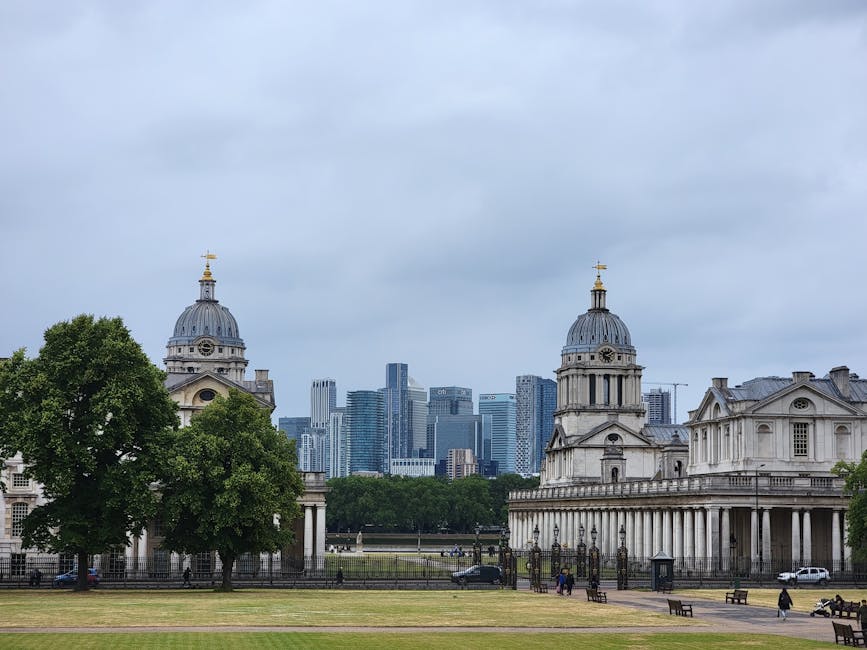
Greenwich Market carpet cleaning experts SE10: a practical guide to cleaner carpets, better results, and fewer headaches
If you live, work, or trade near Greenwich Market, you already know carpets take a beating in ways people don't always expect. Heavy footfall, muddy shoes after a grey London morning, food spills, pet hair, shop dust, and the general bustle of SE10 can leave flooring looking tired far quicker than you'd like. That is exactly where Greenwich Market carpet cleaning experts SE10 come in: not just to make carpets look better for a day, but to clean them properly, protect the fibres, and help them stay presentable for longer.
Whether you are a homeowner near the market, a landlord preparing a tenancy, or a business owner who needs a spotless first impression, the right cleaning approach matters. In this guide, you'll get a clear explanation of how expert carpet cleaning works, what methods suit different carpets, what to avoid, and how to choose a service that feels trustworthy rather than rushed. Small detail, big difference.
Table of Contents
- Why Greenwich Market carpet cleaning experts SE10 Matters
- How Greenwich Market carpet cleaning experts SE10 Works
- Key Benefits and Practical Advantages
- Who This Is For and When It Makes Sense
- Step-by-Step Guidance
- Expert Tips for Better Results
- Common Mistakes to Avoid
- Tools, Resources and Recommendations
- Law, Compliance, Standards, or Best Practice
- Options, Methods, or Comparison Table
- Case Study or Real-World Example
- Practical Checklist
- Conclusion
- Frequently Asked Questions
Why Greenwich Market carpet cleaning experts SE10 Matters
Carpets do more than soften a room. They affect how clean a space feels, how fresh it smells, and sometimes even how long people stay in it. Around Greenwich Market, that matters on a very practical level. A carpet that looks dull or holds odours can quietly drag down a home, studio, shop, office, or holiday let.
And let's face it, surface vacuuming only goes so far. Dust settles deep in the pile. Grit gets worked in by shoes. Spills dry into the fibres. In busy SE10 properties, those problems build up faster than many people realise. By the time the carpet starts looking flat or patchy, there is often embedded soil that standard cleaning can't shift.
Expert carpet cleaning matters because it addresses the stuff you can't see as well as the marks you can. A proper service does not just "freshen up" the room. It supports hygiene, helps reduce wear, and can extend the usable life of the carpet. If a property sees visitors, customers, or tenants, the visual payoff is immediate. You walk in and think, yes, this place is looked after.
For local businesses in particular, that first impression is a quiet but powerful thing. A clean entrance or waiting area can change how people feel before a single conversation has started. That's not fluff. That's practical presentation.
How Greenwich Market carpet cleaning experts SE10 Works
Professional carpet cleaning is usually a process, not a single machine job. Good results come from assessing the fibres, the level of soiling, and any stain history before deciding what to do. A decent cleaner won't treat every carpet the same way, because wool, nylon, blended fibre, and delicate rugs all behave differently under moisture and heat.
Most professional visits begin with inspection and testing. That means checking for stubborn stains, identifying fibre type where possible, and spotting issues like colour bleeding, pile crush, or old residue from previous cleaning products. If you have ever used a store-bought spray and ended up with a slightly sticky patch that seems to attract more dirt, you'll understand why this matters.
After that comes pre-treatment. This helps break down grime before the main clean. Depending on the method, the technician may use agitation, hot water extraction, low-moisture encapsulation, or targeted spot treatment. The goal is not just to wet the carpet and hope for the best. The goal is to lift soil away safely.
Drying is the final part people sometimes underestimate. A carpet can look clean but still be damp underneath. Proper airflow, sensible moisture levels, and careful extraction help reduce drying time and reduce the risk of that slightly musty smell no one wants. If the room smells like a wet dog for an afternoon, something has gone sideways.
For a broader overview of what a professional team may offer across your property, you can also review the full service overview from the company's website. It helps to see carpet cleaning in the context of other domestic or commercial cleaning support.
Key Benefits and Practical Advantages
The most obvious benefit is a cleaner-looking carpet. But the real value goes a bit deeper than that. When carpet cleaning is handled properly, you tend to get a better feel underfoot, improved freshness, and fewer lingering marks from day-to-day life.
- Improved appearance: Colours look brighter, patterns come back, and the whole room feels less tired.
- Better hygiene: Carpets can trap dust, debris, pollen, and everyday grime that vacuuming only partly removes.
- Odour reduction: Spills, pets, cooking smells, and damp shoes can leave a room feeling stale.
- Longer carpet life: Removing abrasive dirt helps reduce fibre wear over time.
- Better tenant or customer experience: Especially useful for rentals, retail spaces, and hospitality settings.
- More confident property presentation: Handy before photos, handovers, inspections, or seasonal refreshes.
There is also a quieter benefit people sometimes miss: comfort. A freshly cleaned carpet often feels softer and more pleasant. That matters in living rooms, bedrooms, and reception areas where people spend real time. Not everything has to be dramatic to be worthwhile.
For readers comparing providers, pricing clarity also matters. A well-structured service should be transparent about what affects cost, what's included, and what optional extras exist. If you want to understand that side better, have a look at the company's pricing and quotes information.
Who This Is For and When It Makes Sense
Not everyone needs deep carpet cleaning on the same schedule, and that's fine. The right timing depends on the property, the traffic level, and what the carpet is dealing with.
Homeowners often book when visible dullness becomes noticeable, after a spill, or before guests, moving day, or a seasonal reset. If you've got children, pets, or a busy household, you may need professional help sooner than you'd like to admit. It happens.
Landlords and letting agents usually need carpet cleaning between tenancies, after a long occupancy, or before marketing a property. A fresh carpet can make a flat feel more cared for, which is especially useful when competing in a busy local rental market.
Retailers and market-adjacent businesses may need a more frequent clean because foot traffic brings in more grit and more marks. This is especially true if you have a front-facing entrance where people track in rainwater or street dust.
Offices and shared workspaces benefit from routine cleaning because carpets in these spaces build up wear in predictable lanes: doorways, desk areas, corridors, and meeting rooms. If you've ever noticed one dark strip down a corridor and wondered how it got there, that's the answer.
Hospitality and short-let properties need to think about smell, presentation, and turnaround speed. A carpet that dries quickly and looks genuinely refreshed can make the difference between a good review and a slightly awkward complaint.
In short: if the carpet is beginning to affect how a space feels, the timing is probably right.
Step-by-Step Guidance
If you're hiring Greenwich Market carpet cleaning experts SE10, here is what a sensible process usually looks like. It is not glamorous, but it works.
- Assess the carpet first. Check fibre type, wear level, stains, and any problem areas. Good cleaners do not rush past this bit.
- Choose the right method. Hot water extraction, low-moisture cleaning, or specialist spot treatment may all be appropriate depending on the carpet.
- Pre-vacuum thoroughly. Dry soil is easier to remove before moisture is introduced. Skipping this stage is a classic shortcut, and not a good one.
- Pre-treat stains and high-traffic areas. This helps loosen grime that has settled deeper in the pile.
- Agitate where appropriate. Mild brushing or machine agitation can improve cleaning performance, especially on worn areas.
- Clean with controlled moisture. The aim is effective soil removal without overwetting the carpet or underlay.
- Extract as much solution as possible. Better extraction usually means better drying and less residue left behind.
- Check results and touch up spots. A professional should inspect the finished work and deal with anything left behind.
- Support drying. Open windows where suitable, use airflow, and avoid heavy foot traffic until the carpet is ready.
- Plan maintenance. A one-off clean is useful; a sensible maintenance routine is better.
One practical tip: take a few photos before cleaning if you care about tracking stain removal or condition changes. It sounds a bit fussy, but if you're a landlord or managing a commercial space, it can save a bit of back-and-forth later.
Expert Tips for Better Results
Here is where experience really shows. The best carpet cleaning outcomes often depend on small decisions made before the machine even starts.
Tip 1: Tell the cleaner about old stains, even if they seem embarrassing. That red wine mark from last Christmas? Mention it. The more honest the briefing, the better the treatment plan.
Tip 2: Don't overuse supermarket spot removers. They can leave residue or set a stain harder if used incorrectly. A little enthusiasm can become a sticky problem. True story, more or less.
Tip 3: Move light furniture ahead of time if possible. You will often get a more complete clean, and the technician can work efficiently instead of playing furniture Tetris.
Tip 4: Ask how drying will be managed. Quick drying is not just convenient. It helps reduce interruption and lowers the chance of lingering dampness.
Tip 5: Think about maintenance rather than rescue. Regular cleaning is usually more effective, and often more economical in the long run, than waiting until the carpet looks genuinely neglected.
Tip 6: Match method to carpet type. Wool, for example, often needs more careful handling than a hard-wearing synthetic commercial carpet. The wrong technique can do damage, so restraint is a virtue here.
Tip 7: Keep an eye on entry points. Doorways and hallways collect the most grit. If those areas are protected first, the rest of the carpet tends to last longer.
If you want to understand the people behind the service before you book, it can help to read the about us page. Trust is easier when you know who you are dealing with.
Common Mistakes to Avoid
Carpet cleaning looks simple from a distance. Mop, spray, done. But the mistakes usually happen in the details.
- Using too much water: Overwetting can slow drying and create unpleasant odours.
- Rubbing stains aggressively: This can spread the mark and damage the fibre.
- Cleaning without proper vacuuming: Dry dirt turns to mud once liquid is added.
- Assuming all carpets respond the same way: They really don't.
- Ignoring hidden wear: Flat pile in a walkway may need a different treatment from a single spill mark.
- Choosing a provider only on price: The cheapest option can be fine, but if the process is vague, you may end up paying twice.
- Walking on the carpet too soon: Patience helps, honestly.
There's also a common timing mistake: leaving the job until after stains have been rubbed into the pile for weeks. Fresh spills are easier to treat. That's just the truth of it.
Tools, Resources and Recommendations
You do not need to own specialist equipment to make informed decisions, but it helps to know what good tools and sensible service choices look like.
| Method | Best for | Strengths | Things to watch |
|---|---|---|---|
| Hot water extraction | General deep cleaning, heavily used carpets | Strong soil removal, thorough freshening | Needs good drying and correct moisture control |
| Low-moisture cleaning | Busy spaces, quicker turnaround needs | Faster drying, less interruption | May not suit very heavy contamination on its own |
| Spot and stain treatment | Localised spills, marked areas | Targets specific issues | Should be matched to stain type and fibre |
| Protective aftercare | Homes, rentals, and commercial entrances | Helps slow future staining and wear | Not a substitute for proper cleaning |
When choosing a provider, look beyond a quick promise. Useful signs include clear communication, sensible questions about fibre type, straightforward expectations about drying, and a willingness to explain what they will and won't do. A good cleaner should not sound as though they are reading from the back of a packet.
It also helps to check practical service information before booking. For example, the company's insurance and safety information gives reassurance around working practices, while health and safety guidance is useful if the property has occupants, customers, or shared areas.
If sustainability matters to you, especially in a shared building or managed property, the recycling and sustainability page is worth a look too. It is a sensible extra layer of confidence, not just a nice-to-have.
Law, Compliance, Standards, or Best Practice
For carpet cleaning, the key point is not usually about one dramatic legal rule. It is more about operating responsibly, safely, and in line with accepted UK best practice. That includes using appropriate products, handling equipment correctly, and protecting people and property during the work.
In practical terms, that means clear communication about access, drying, slip risk, and any areas that should be avoided. If a property has vulnerable occupants, shared spaces, or valuable finishes, a cleaner should take extra care and explain what is happening in plain English. Simple, but important.
Insurance matters as well. Reputable cleaning work should be backed by suitable cover and sensible working methods. That does not mean nothing can ever go wrong; it means risks are being managed properly rather than ignored. If you are comparing companies, asking about insurance, safety procedures, and complaint handling is completely reasonable. In fact, it's smart.
For bookings, payment processes, cancellations, and customer expectations, it helps to read the service terms before agreeing. You can also review the company's payment and security information, plus the terms and conditions and complaints procedure if you want the full picture.
One more thing: if you run a business or manage premises near Greenwich Market, remember that slip risk after cleaning is a real practical issue. A good provider will discuss drying time, access management, and safe re-entry. No drama, just proper housekeeping.
Options, Methods, or Comparison Table
Different carpet cleaning options suit different settings. A useful comparison can save you from booking the wrong thing for the wrong job, which is more common than people think.
| Option | Ideal for | Pros | Limitations |
|---|---|---|---|
| Professional deep clean | Heavily used homes, rental turnovers, commercial carpets | Best overall refresh, deeper soil removal | Takes more planning and drying time |
| Routine maintenance clean | Properties that need regular upkeep | Helps preserve appearance and reduce wear | May not remove old, set-in staining alone |
| Spot treatment only | Small isolated spills | Fast and targeted | Won't address widespread dullness or soil build-up |
| DIY carpet machine hire | Some domestic jobs with time and confidence | Can be convenient for light work | Risk of overwetting, residue, or uneven results |
If the carpet is expensive, delicate, old, or heavily walked on, a professional service is usually the safer call. If you only need a very light refresh, a maintenance visit may be enough. The best choice is rarely the loudest one.
Case Study or Real-World Example
Imagine a small studio apartment near the market. The carpet is not ruined, just tired. There is a faint coffee mark by the sofa, a dark path from the hallway to the kitchen, and a general smell that is not bad exactly, just a little closed-in after winter. The occupant has tried vacuuming more often, but the result is stubbornly underwhelming.
A sensible cleaner would first identify the carpet fibre and check the stain history. They would then pre-treat the coffee area, focus on the corridor traffic lane, and use a method that balances cleaning power with safe moisture levels. If the room has limited ventilation, drying would need extra attention. That might mean airflow, a longer window for re-entry, or a follow-up inspection.
What changes most? Not just the stain. The whole atmosphere shifts. The room feels brighter. The carpet no longer draws the eye for the wrong reason. And because the work was matched to the carpet rather than forced onto it, the result looks natural, not overwrought. That's the sweet spot.
Now picture the same approach in a small retail unit facing steady foot traffic from the market area. The edge by the entrance is grimier, the middle lane is flattened, and there is a little tracked-in street dust. Cleaning that properly can make the shop feel calmer and more professional. It is a small operational change with a visible effect. Useful stuff.
Practical Checklist
Use this quick checklist before booking Greenwich Market carpet cleaning experts SE10:
- Identify the carpet type if you can.
- Note any stains, smells, or wear patterns.
- Decide whether you need a deep clean or maintenance clean.
- Ask how drying time will be managed.
- Confirm whether furniture moving is included or optional.
- Check what happens with delicate or old carpets.
- Review insurance, safety, and service terms.
- Look at pricing clarity before you commit.
- Make a plan for access, parking, and entry if needed.
- Keep pets, children, or customers away from damp carpet areas until safe.
If you want to understand how the business works before arranging a visit, the contact page is a sensible next step, and the about us page can help you see the company's approach more clearly.
Conclusion
Greenwich Market carpet cleaning experts SE10 are most useful when they do more than make a carpet look briefly neat. The real value comes from matched methods, careful stain treatment, sensible drying, and a professional approach that fits the realities of local homes and businesses. Busy streets, market footfall, damp days, pets, tenants, customers, all of it adds up.
So if your carpet has started to look a bit flat, smell a bit stale, or simply stopped representing the space as well as it should, now is a good time to act. You do not need to wait for a dramatic stain or a full-on crisis. A well-timed clean can quietly reset the room and make everyday life feel easier. Which, honestly, is often the point.
Get a free quote today and see how much you can save.
And if you're still weighing things up, that's fine too. A careful decision today usually means a calmer, cleaner tomorrow.
Frequently Asked Questions
What do Greenwich Market carpet cleaning experts SE10 actually do?
They assess the carpet, choose an appropriate cleaning method, pre-treat stains, remove embedded dirt, and help the carpet dry safely. The aim is better appearance, hygiene, and longer carpet life.
How often should carpets in SE10 be professionally cleaned?
It depends on traffic, pets, children, and property type. Busy homes, rentals, and commercial spaces often benefit from more frequent cleaning than low-use rooms.
Is hot water extraction safe for all carpets?
Not always. It can be excellent for many carpets, but delicate fibres or older materials may need a gentler method. A proper assessment comes first.
Will carpet cleaning remove old stains completely?
Sometimes yes, sometimes partially, and sometimes not at all. The result depends on stain type, age, carpet fibre, and what has already been used on it.
How long does a cleaned carpet take to dry?
Drying time varies with method, ventilation, fibre type, and room conditions. A professional should be able to give a realistic expectation rather than a guess.
Can carpet cleaning help with smells?
Yes, especially if odours are trapped in the carpet fibres or backing. It helps with pet smells, food odours, and general stale air, though severe issues may need extra treatment.
Do I need to move furniture before the cleaner arrives?
Not always, but moving smaller items and personal objects helps. Some providers may move light furniture as part of the service; it is best to check in advance.
Is professional carpet cleaning worth it for a rental property?
Usually, yes. A clean carpet can improve presentation between tenancies and reduce the chance that minor wear becomes a bigger issue. It is especially useful when preparing for viewings.
How do I know if a carpet cleaner is trustworthy?
Look for clear explanations, sensible questions about your carpet, transparent pricing, and proper safety and insurance information. Good providers are usually straightforward, not vague.
What should I avoid doing before a carpet clean?
Avoid scrubbing stains aggressively, using too much cleaning product, or leaving the carpet damp from home treatments. Less is often more before the professionals arrive.
Can carpet cleaning help in a busy shop or office near Greenwich Market?
Definitely. High-traffic business carpets collect grit and wear quickly. Regular cleaning helps keep the space presentable and can make a noticeable difference to the feel of the premises.
Where can I find service details, pricing, and company policies?
You can review the provider's services overview, pricing and quotes, and policy pages such as terms and conditions and privacy policy for more context before booking.